
The year is 2026, cameras have evolved beyond our wildest dreams.
4K, 6K, 8K, RAW, B-RAW, RED, 60p, 120p, 10-bit, 12-bit..Yet something is still missing.
Let me ask you this:
An awesome movie has ended, credits are rolling in. Lots of names. People.
Yet no cameras and gear. Why?
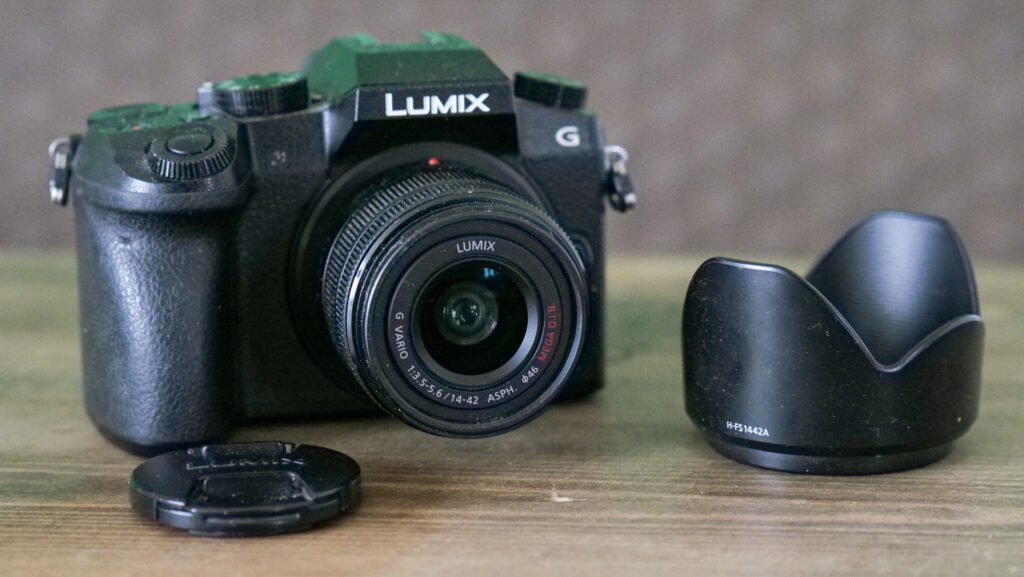
In 2017, I bought my first “proper” video camera: the Panasonic Lumix DMC-G7 with the humble 14–42mm kit lens. At the time, it felt like a huge leap – I had been experimenting with basic gear (a GoPro and a Canon Vixia HF R50), but this was the first camera that gave my clips THAT look.
“That Cinematic Look” fans will know what I mean. The live algorithms we are used to in our phones that lift the shadows and compensate for overexposed highlights were no longer there. The image was just pleasant to look at – natural, no funny business with skin tones or shadows.
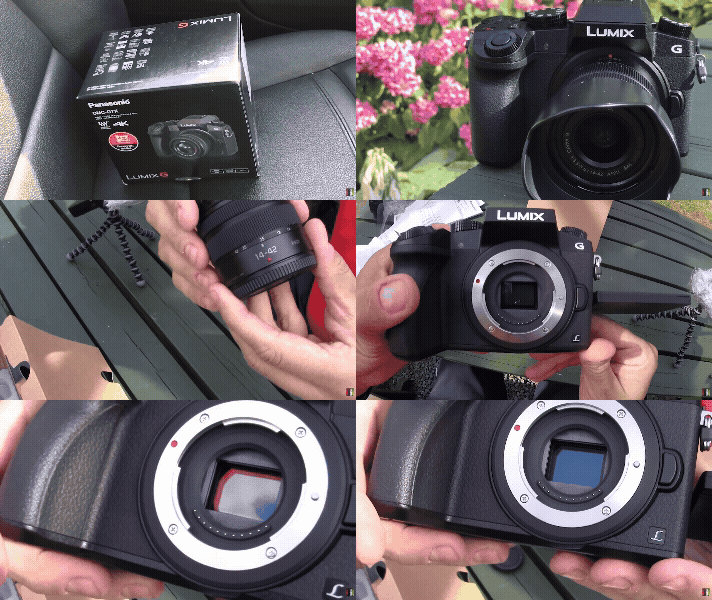
I remember unboxing it, mounting that lightweight kit lens, and heading straight out to film anything I could find—streets, sunsets, coffee cups, friends who were patient enough to stand in as “talent.”
Paradoxically, the small nature of this camera did not add to the “point-and-shoot” feel I was getting from it, quite the opposite – it felt small, yet powerful.
What really blew me away back then was 4K. In 2017, having affordable 4K felt futuristic. The G7 wasn’t a cinema monster, but it gave me sharp, detailed footage and enough control to start understanding frame rates, profiles, and manual exposure. For the price, it felt almost rebellious—like I’d discovered a secret shortcut into high-quality filmmaking without the high-end budget.

Fast forward to 2026, and I’m genuinely surprised at how well it still holds up. Sure, newer cameras boast better low-light performance, way-better autofocus (it’s not the best on any of the Lumix series), and internal stabilisation that would really make a difference (should have considered the G85 at the time).
But when I revisit footage from the G7, I’m reminded that good light, thoughtful composition, and intentional storytelling matter far more than spec sheets. That little 14–42mm kit lens still produces clean, usable images in the right conditions.
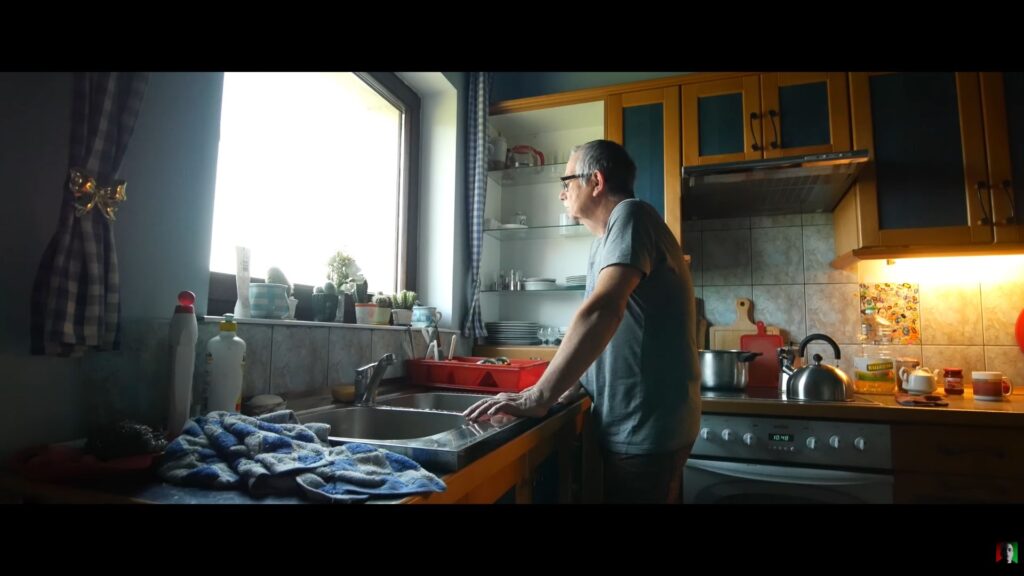
Reflecting back, the G7 wasn’t just a new camera—it was a turning point. It taught me manual control (to some degree). It encouraged me to experiment with lighting. It pushed me to focus on creativity instead of constantly chasing upgrades. In a world obsessed with the latest releases, it’s refreshing to realise that a nearly decade-old camera can still deliver beautiful 4K images.
Sometimes, the best gear is simply the one that got you started.
Since my first encounter with the G7 and having dealt with other cameras in the meantime, I have become a huge fan of small and simple things. If a scene can be shot with my small capable friend, and if the end result is good enough – I will always choose the G7 to do so.
After 9 years of owning it I can definitely point out the pro’s:
✅ 4K (UHD) capable
✅ Amazing image quality, even with the kit lens
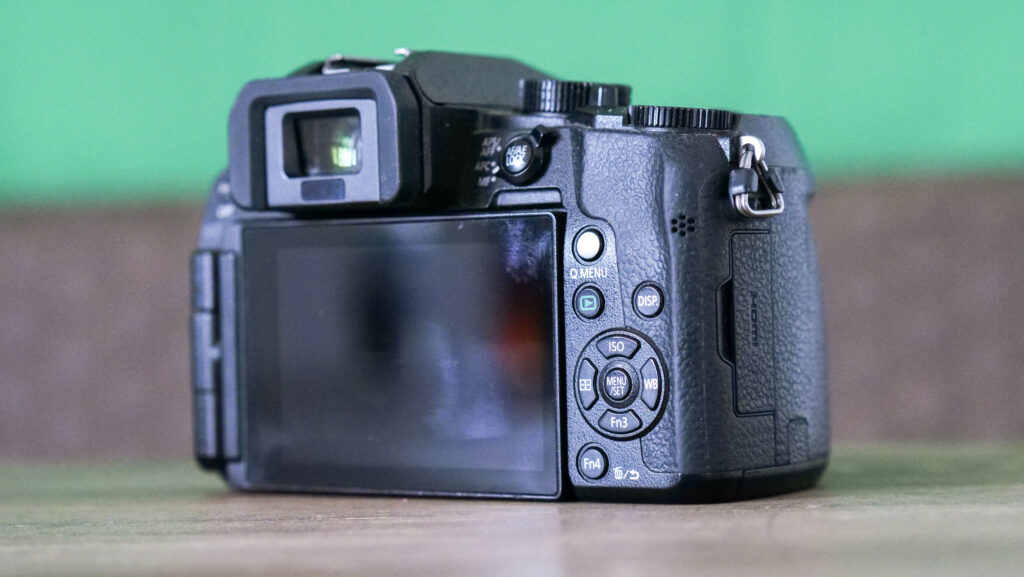
✅ Small, lightweight, and really easy to operate / change settings on the go
✅ Built in flash for photos
✅ Wi-fi connectivity (for both remote operation and media downloading on the go)
And its cons:
🚫 No IBIS, with the kit lens the footage can be quite shaky
🚫 No 10-bit or v-log formats (although I have never been fan of those)
🚫 No shutter angle setting / priority
🚫 MFT (cropped) sensor
🚫 This model comes as either PAL or NTSC, not both (you can hack this in service menus)
Is it in perfect shape after 9 years? Not really:
⚠️ My nephew spilled juice over it
⚠️ Flash no longer works (juice)
⚠️ Wi-fi no longer works (juice)
⚠️ The flippy LCD screen is loose and feels like it could come off at any time
⚠️ Battery drains when left in the camera (juice?)

An interesting read!